How to Optimize Charging When You Only Have a Home AC Charger
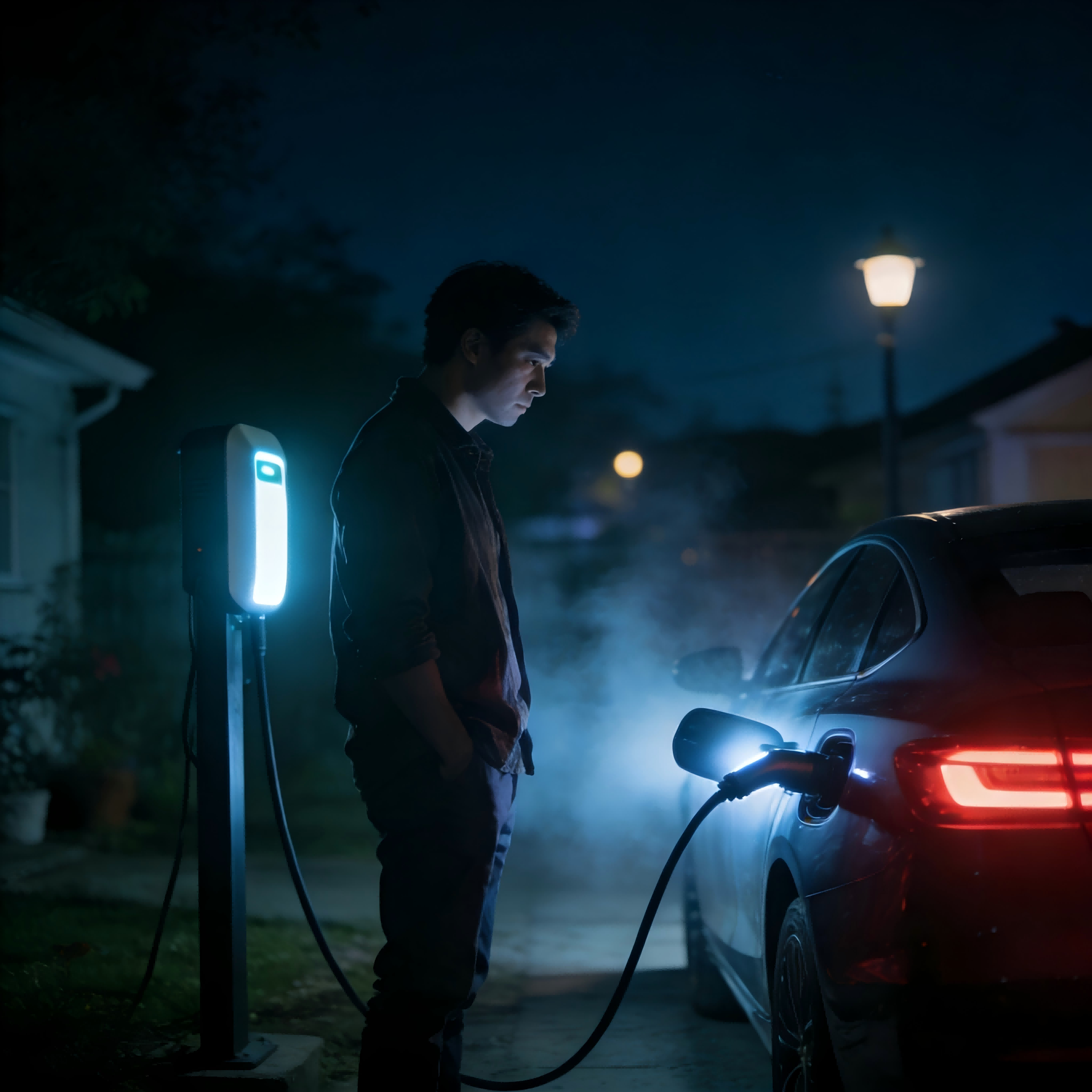
"Now that I have a home charger, should I plug in every day?" "What's the best time to charge overnight?" "Should I charge to 100% on weekends?" These are common questions for EV owners after installing a home charging station. While AC charging (often called "slow charging") is less powerful than public DC fast charging, a well-planned charging strategy can actually extend battery life and reduce electricity costs. This guide provides a scientific approach to optimizing your charging routine.
1. Assess Your Charging Needs
Step 1: Calculate Daily Energy Consumption
-
Track your weekly driving mileage and calculate an average.
-
Determine your vehicle's energy consumption (e.g., 15 kWh/100 km).
-
Example: A 50 km daily commute at 15 kWh/100 km ≈ 7.5 kWh used per day.
Step 2: Evaluate Your Charger's Power
-
7 kW AC Charger: Adds ~7 kWh per hour.
-
3.5 kW AC Charger: Adds ~3.5 kWh per hour.
-
Calculate the required charging time based on your charger's power and daily needs.
Step 3: Determine Charging Frequency
-
If Daily Consumption ≤ Single Night's Charge: Charging every 2-3 days may be sufficient.
-
If Daily Consumption > Single Night's Charge: You may need to charge daily or every other day.
2. Optimal Charging Schedule for Cost and Efficiency
Charge During Off-Peak Hours (Top Money-Saving Tip)
-
Off-peak hours vary by region but are typically overnight (e.g., 10 PM - 8 AM).
-
Electricity rates can be 50%+ cheaper during these hours (e.g., 0.08/kWhvs.0.16/kWh).
-
Use the timer function on your charger or vehicle to start charging automatically during off-peak times.
Calculate Charging Duration
-
7 kW Charger: To add 50 kWh ≈ 7 hours.
-
3.5 kW Charger: To add 50 kWh ≈ 14 hours.
-
Aim to complete charging within the off-peak window to maximize savings.
Practical Example
-
Vehicle: 60 kWh battery (≈50 kWh usable capacity).
-
Charger: 7 kW.
-
Charging Time: 50 kWh / 7 kW ≈ 7 hours.
-
Recommended Schedule: Set timer to start at 11 PM, finishing by 6 AM.
3. State of Charge (SOC) Management
For Daily Commuting
-
Charge Limit: 80-90%.
-
Recharge Point: 20-30%.
-
'Shallow' cycles (avoiding 0-100% swings) help maximize battery longevity.
Before Long Trips
-
You can charge to 100%, but avoid letting the battery sit at full charge for extended periods.
-
Ideally, schedule the charge to finish just before departure.
For Long-Term Parking (e.g., vacations)
-
Maintain the SOC between 50-60%.
-
Plug in and charge every 1-2 months to prevent excessive discharge.
4. Charging Strategies for Different Lifestyles
Scenario 1: Regular 50 km Daily Commute
-
Daily Use: ~7.5 kWh.
-
Frequency: Charge every 2-3 days.
-
Duration: ~1-2 hours per session with a 7 kW charger.
-
Strategy: Use a timer to charge to 80% during off-peak hours.
Scenario 2: Heavy Weekend Driving
-
Weekdays: Charge to 80% nightly.
-
Friday: Charge to 90-100% for the weekend.
-
Sunday Evening: Recharge to 80% for the week ahead.
Scenario 3: Occasional Long-Distance Travel
-
Normal Use: Maintain SOC between 50-80%.
-
Pre-Trip: Charge to 100% the night before departure.
-
Post-Trip: Recharge back to 80% at the next opportunity.
5. Equipment and Settings Optimization
Using Timer/Delay Functions
-
Most modern EVSEs (chargers) and vehicles have programmable timers.
-
Set a start time for 1 hour after off-peak rates begin (e.g., 11 PM).
Current Setting (Amperage)
-
Some chargers allow you to reduce the charging current (e.g., from 32A to 24A).
-
Benefit: This can reduce heat generation in cables and components, potentially extending their lifespan, especially for long, frequent charging sessions.
"Plug-in and Delay" Charging
-
Plug the connector into the vehicle when you get home, but set charging to begin later.
-
Ideal for: Ensuring you take full advantage of off-peak rates without having to go outside to plug in late at night.
6. Handling Special Situations
When You Need a Quick Charge
-
If you need more range during the day, use a public DC fast charger.
-
Tip: Fast charge only to 80% (faster charging rate), and use your home charger to top up later if needed.
If You Forget to Charge
-
Solution: Charge for 1-2 hours in the morning before leaving or use a public charger.
-
Avoid: Regularly letting the battery drop to very low levels (e.g., <10%), as this can stress the battery.
Troubleshooting Charger Issues
-
Check: That the connector is fully seated and the charger's indicator lights are on.
-
Verify: That no charge limit is set on the vehicle and that any payment account has sufficient funds.
-
Contact: The charger manufacturer's support or your property manager if issues persist.
7. Common Misconceptions Corrected
Myth 1: "I need to charge to 100% every night."
-
Fact: For daily use, charging to 80-90% is less stressful on the battery and is perfectly adequate for most needs.
Myth 2: "Faster charging is always better."
-
Fact: Slower AC charging generates less heat and is gentler on the battery, promoting long-term health. Use DC fast charging for trips, not as a primary method.
Myth 3: "I should drain the battery almost to empty before charging."
-
Fact: Lithium-ion batteries have no "memory effect." Frequent, partial charging is preferable to deep discharge cycles.
8. Recommended Tools and Habits
Charger/Vehicle Apps
-
Monitor charging status, energy delivered, and cost.
-
Remotely start/stop charging and manage timer settings.
-
Pre-condition the cabin while still plugged in to preserve range.
Energy Tracking
-
Use your utility app or charger's data to track off-peak vs. peak usage.
-
Calculate monthly charging costs to see the savings from your optimized schedule.
Long-Term Maintenance
-
Periodically inspect the charging cable and plug for wear.
-
Keep the vehicle's charging port clean and dry.
-
Monitor your vehicle's reported battery state of health (SOH) over time.
Conclusion
Having only a home AC charger is not a limitation—it's an advantage for battery longevity and cost savings. By strategically scheduling your charging during off-peak hours, practicing shallow cycling (e.g., 20-80%), and utilizing timer functions, you can effectively maintain your EV's battery health and minimize your electricity bill.
Core Principles:
-
Schedule for Savings: Charge during off-peak hours.
-
Prioritize Battery Health: Avoid constant 100% charging; 80-90% is ideal for daily use.
-
Set and Forget: Use timers for a hassle-free, optimized routine.
Cost Reduction Without Quality Loss: 3 Hidden Costs Beyond Unit Price When Procuring Lithium Batteries
Battery Degradation Anxiety? Understand These 3 Metrics to Easily Gauge Battery Health
Related Article